
The Ultimate Guide to Sanitizing Hand Wipes. Why Clean Hands Matter
Introduction
Imagine having a compact, portable solution that instantly reduces microbial threats on-the-go—envision a day when using a sanitizing hand wipe after touching high-contact surfaces, like shopping cart handles or airplane tray tables, contributes significantly to public health. This introduction explores the importance of hand hygiene beyond traditional washing, focusing specifically on real-world utility, evidence-based benefits, and the growing role of wipes in daily routines for individuals and institutions.
Why Effective Hand Hygiene Matters
Handwashing with soap remains the gold standard for preventing illness, reducing childhood deaths from diarrheal and respiratory diseases by up to 50% and 25%, respectively, according to UNICEF data reflecting global WASH (Water, Sanitation, and Hygiene) initiatives. Yet there are many settings where soap and water simply aren’t accessible or convenient, underscoring the value of reliable, portable alternatives like hand hygiene wipes. These alternatives help maintain sanitation habits in busy or remote environments, potentially reducing transmission of pathogens in everyday scenarios and supporting broader public health goals. Sources: UNICEF and global WASH data.
Research Supporting Usage of Hand Wipes
A compelling study examining the impact of quaternary ammonium compound-based sanitizing wipes in households found remarkable results: a 95.3% reduction in virus presence on inoculated hands, a 74.5% reduction on shared surfaces, and up to an estimated 89% reduction in infection risk for pathogens like rhinovirus and rotavirus. This demonstrates that even single daily use of such wipes can significantly lower transmission risks, offering practical protection in family settings. Source: PubMed study on hand sanitizing wipe efficacy.
From Research to Everyday Application
Picture a parent using a sanitizing hand wipe after juggling toddler shoes and lunchboxes, or a healthcare worker quickly disinfecting hands between patient interactions when sinks are out of reach. These tangible applications illustrate how wipes elevate routine hygiene by combining efficacy with convenience, especially when immediate soap-and-water alternatives are impractical. The term “sanitizing hand wipes” integrates naturally into such narratives, reminding readers that efficacy and accessibility go hand in hand without sounding forced.
In this section, we've explored the rationale behind integrating wipes into standard hygiene practices, grounded in both global health goals and targeted household research. Upcoming sections will delve into different formulations, usage best practices, eco-friendly innovations, and criteria for selecting safe and effective products.
Understanding Efficacy and Practical Benefits
Building on the rationale for sanitation in everyday routines, a closer look at actual efficacy highlights the real-world value of convenience without sacrificing effectiveness. A noteworthy household study explored the impact of using quaternary ammonium compound–based wipes once daily; it demonstrated a sharp 95.3% reduction in virus presence on inoculated hands, along with substantial decreases—74.5% on fomites and 73.5% across non-inoculated surfaces—reducing estimated infection risk by 30–89%, depending on initial contamination levels Tamimi et al., 2015.
In clinical comparisons, an alcohol-based wipe pairing 65.9% ethanol content outperformed a 62% ethanol gel rub but still lagged behind traditional antimicrobial soap in eliminating bacteria and spores. Mean log reductions were 3.44 for the high‑ethanol wipe versus 2.32 for the gel, while antimicrobial soap achieved 4.44, reinforcing that while wipes are effective, they work best as part of broader hygiene practices CDC‑related hand hygiene comparison study.
Formulation Features That Matter
Effective wipes typically contain 60–95% alcohol by volume, an optimal range for denaturing proteins and disrupting viral lipid envelopes. This aligns with WHO and CDC guidance for alcohol content in sanitizing products MDPI review on hand sanitizer formulations. Additionally, the handheld convenience and packaging of wipes reduce the risk of cross-contamination through reusable towels or dispensers.
Still, some limitations deserve attention—alcohol-based wipes offer only transient antimicrobial action and may lose potency over time if stored improperly, especially when active compounds bind to the fabric or degrade systematic review on hand sanitizer forms. Furthermore, certain pathogens, like bacterial spores or non‑enveloped viruses, may resist the mechanism of alcohol, underscoring the importance of soap-and-water handwashing in such scenarios.
Together, these insights underscore the role of sanitizing hand wipes as a professional-grade, on-the-go hygiene solution. While they do not fully replace traditional handwashing, their demonstrated viral reduction, ease of use, and quality-controlled formulations make them a strategic addition to personal hygiene routines, especially in situations where conventional methods are unavailable.
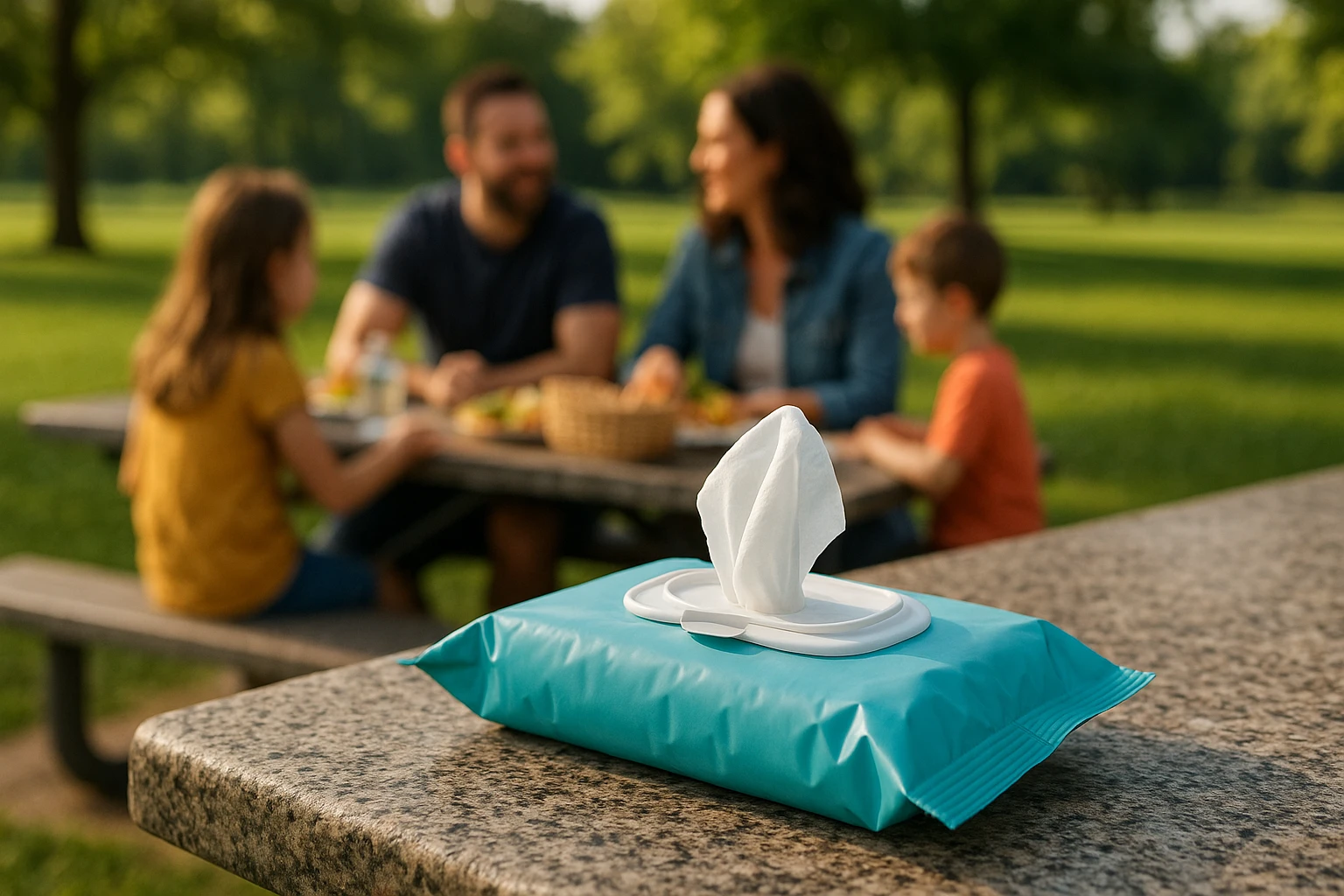
A small pack of sanitizing hand wipes resting atop a granite outdoor picnic table, with a lush park landscape in the background and a family enjoying a picnic nearby, demonstrating the practicality and accessibility of these wipes in everyday life.
The Benefits of Using Sanitizing Hand Wipes
One of the primary advantages of sanitizing hand wipes is their unparalleled convenience. Unlike traditional hand sanitizer bottles, wipes are easy to carry and ready to use without any preparation, making them ideal for on-the-go hygiene. Whether you're at a crowded subway station or a local park, a quick swipe with these wipes ensures your hands are free from germs. This seamless integration into daily life has made them indispensable for many seeking hygiene solutions outside the home.
Beyond convenience, sanitizing hand wipes offer effective germ-killing capabilities. According to NSF International, the average person encounters countless bacteria each day, from doorknobs to public transport. Wipes containing at least 60% alcohol are effective in eliminating up to 99.9% of bacteria and viruses, a claim supported by rigorous testing. This makes them an excellent choice for maintaining public health, particularly in areas with high human traffic.
Additionally, wipes are suitable for sensitive skin types. Many people experience irritation from alcohol-based sanitizers, but wipes often include moisturizing ingredients such as aloe vera and vitamin E. These additives help prevent skin dryness, ensuring regular use remains comfortable. As more consumers become conscious of skin care, brands like PentaCleanse offer wipes tailored to meet these needs, combining hygiene with skin-friendly formulations.
Sanitizing hand wipes also support environmental sustainability efforts. Many manufacturers are transitioning to biodegradable options, emphasizing eco-friendly production practices. By choosing wipes made from renewable materials, consumers contribute positively to reducing landfill waste. This shift in product design reflects a broader commitment to environmental responsibility within the personal care industry.
In emergency situations, these wipes prove invaluable. For example, during power outages or natural disasters when water isn't readily accessible, sanitizing hand wipes provide a reliable hygiene alternative. This capability highlights their adaptability and essential role in ensuring cleanliness, even when circumstances are challenging. The peace of mind these wipes offer is an essential factor in their widespread popularity and use.
Real‑World Effectiveness and Practical Applications
To understand how sanitizing hand wipes perform in everyday scenarios, it’s helpful to examine both behavioral studies and clinical data. In a domestic household study, researchers used virus surrogates like bacteriophage MS‑2 to measure transmission. When family members used a quaternary ammonium compound–based wipe at least once daily, virus presence on inoculated hands dropped by 95.3%, and contamination across all surfaces declined by up to 74.5%, significantly reducing estimated infection risk by 30% to 89% depending on initial viral load. This underscores the wipes’ role in curbing viral spread in homes where soap and water may not always be practical Tamimi et al., University of Arizona.
In healthcare settings, providing patients with multiwipe packs paired with a structured usage protocol made a dramatic difference. Compliance with patient hand hygiene rose from a mere 13.2% to 58.9%—an uplift of 45.7%—demonstrating that accessibility and routine guidance can vastly improve hygiene behavior and potentially reduce hospital‑acquired infections PubMed.
Effectiveness comparisons between delivery formats offer additional insight. A controlled study evaluating alcohol‑based foam, gel, and wipes against influenza A (H1N1) showed all delivery methods achieved over 3‑log viral reductions—highlighting that wipes can be as effective as more common formats when properly formulated PCID study. Another investigation found that wipes with 65.9% ethanol outperformed a 62% gel rub in reducing both vegetative bacteria and spores, though antibacterial soap remained the most effective APIC study.
Beyond clinical settings, sustainable innovation is emerging. Researchers created biodegradable hand wipes from banana fibers, infused with essential oils like lemon and eucalyptus. These biodegradable alternatives demonstrated antimicrobial activity against common bacterial strains and maintained mechanical integrity when wet—suggesting an eco-friendly path forward for daily sanitation without compromising efficacy recent materials study.
Overall, evidence shows that integrating accessible, well‑formulated wipes into homes, hospitals, and even eco-conscious settings provides a powerful, convenient means to bolster hygiene. Their adaptability to various contexts—coupled with strong performance in viral and bacterial reduction—makes them a strategic complement to traditional handwashing routines, especially when water access is limited or speed and convenience are critical.
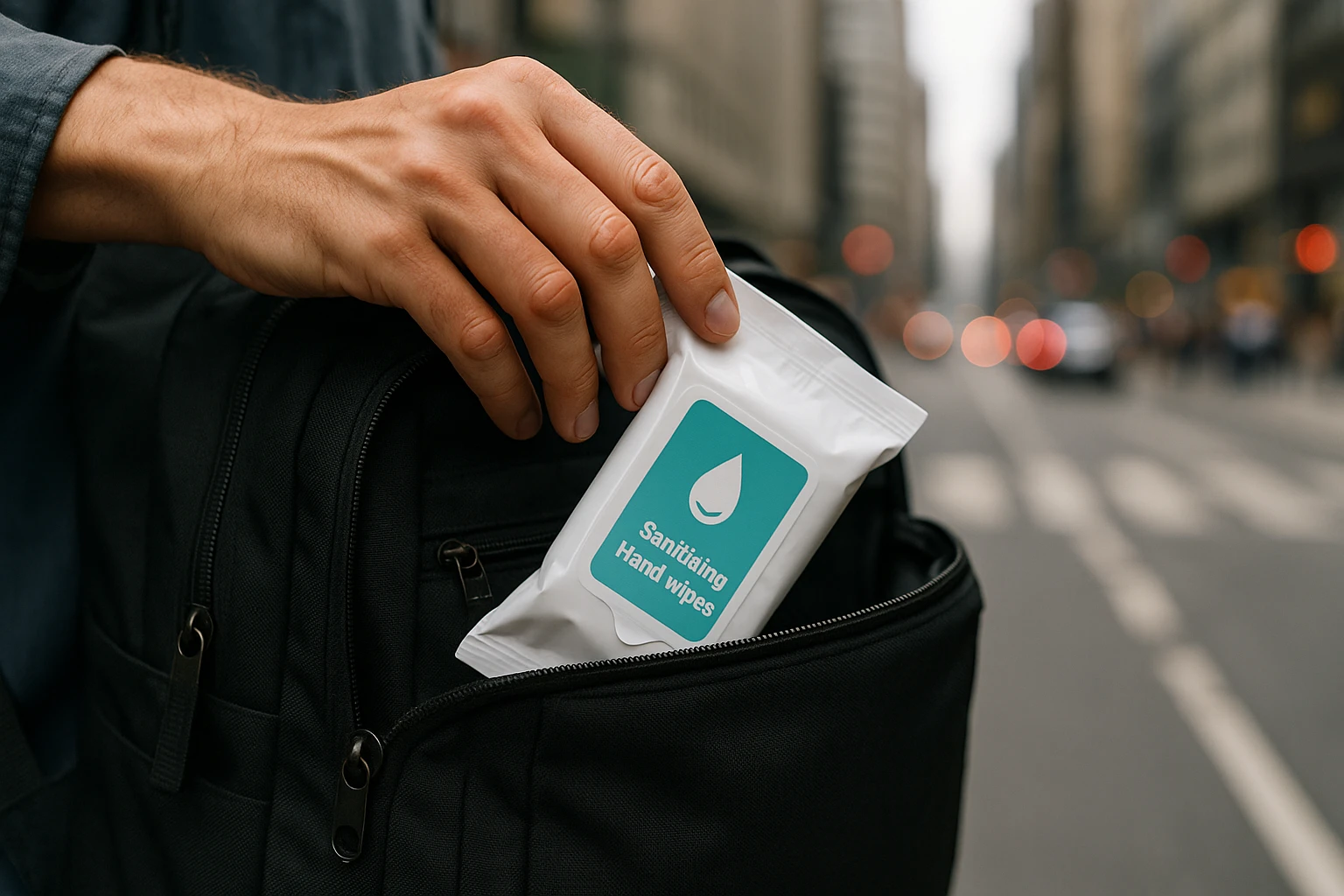
A close-up of a hand reaching into a backpack to grab a pack of sanitizing hand wipes, with a bustling city street visible in the blurred background, emphasizing the practicality and portability of the wipes for urban commutes.
Conclusion: Harnessing the Power of Sanitizing Hand Wipes
In today's fast-paced world, maintaining hygiene is paramount, and sanitizing hand wipes offer a convenient and effective solution. These wipes provide a quick and effective way to eliminate germs, especially when access to soap and water is limited. As we navigate crowded environments and handle public surfaces, their role in promoting health and safety cannot be overstated.
The usability of sanitizing hand wipes extends beyond personal hygiene. Businesses, particularly in the hospitality and healthcare sectors, have successfully integrated wipes into their daily operations to ensure a clean and welcoming environment. For example, restaurants use them for cleaning tables quickly between guests, while healthcare facilities find them indispensable for maintaining sterile surfaces.
Consumers are increasingly aware of the benefits, but it’s essential to choose the right product. According to a study by Grand View Research, the hand sanitizing market is projected to grow significantly, driven by consumer demand for portable and effective sanitation methods. Selecting high-quality wipes that are gentle on the skin yet powerful against pathogens is critical for maximum protection.
For those ready to adopt these practices, choosing a trusted brand like PentaCleanse can provide peace of mind. PentaCleanse offers a range of high-quality sanitizing products that meet stringent hygiene standards. Leveraging their expertise can ensure you’re equipped with reliable tools to minimize health risks.
Ultimately, integrating sanitizing hand wipes into daily routines is an actionable step towards better health and safety. Whether at home, work, or on the go, these wipes offer a straightforward and effective strategy to protect oneself and others from germs. Investing in reliable products today means contributing to a healthier tomorrow.
Disclaimer: PentaCleanse 75% alcohol hand wipes are only approved to be used on hands.