
The Ultimate Guide to Convenient Hand Sanitizing During Outdoor Activities
Introduction: A Smart, Convenient Way to Keep Your Hands Clean Outdoors
Every hiker knows the all-too-familiar dilemma: you’ve spent hours trekking through dusty trails, rummaging through your pack, or cooking over a campfire—only to realize your hands are grimy, and there's no sink in sight. If you're out in nature and asking what’s a convenient way to sanitize my hands during outdoor activities? the answer lies in leveraging lightweight, effective tools that deliver real-world hygiene without weighing you down.
Outdoor enthusiasts—whether casual strollers in the park or seasoned backpackers—can greatly benefit from alcohol-based hand sanitizers containing at least 60% alcohol. According to the Centers for Disease Control and Prevention, such sanitizers are recommended when soap and water aren’t available and effectively reduce germs quickly—making them ideal for trailheads, campsites, or roadside stops, as long as your hands aren’t visibly dirty or greasy (CDC Hand Sanitizer Guidelines)
Yet, there’s another layer of nuance: when hands are heavily soiled with mud, food residue, or sticky substances, sanitizer alone may fall short. In these cases, setting up a simple field wash station is invaluable. For example, using a 5-gallon spigot water jug paired with biodegradable soap—such as Sea to Summit’s Wilderness Wash—ensures you adhere to Leave No Trace principles while thoroughly cleaning your hands before applying sanitizer (Outside Online field sanitation guide)
Consider practical, real-world setups travelers swear by: a compact spray bottle filled with soapy water next to paper towels keeps cleaning minimal but effective; ultralight backpackers often use soap sheets that dissolve with a drop of water—easy to carry and rinse (source: Reddit Outdoors community)
This introduction sets the tone for a deeper exploration of options. We'll guide you through choosing the right alcohol-based sanitizer, improvising portable handwashing stations, balancing hygiene with environmental stewardship, and protecting sensitive skin—all with actionable insights gained from field-tested examples.
Let’s embark on this journey together: by the time you're deep in nature, your hygiene strategy won’t just be convenient—it'll be intentional, effective, and effortlessly integrated into your adventure.
Convenient Sanitization on the Go
Blending safety and practicality during outdoor adventures requires more than just packing essentials—it calls for a thoughtful hygiene strategy. If soap and water aren’t an option, a lightweight, alcohol-based hand sanitizer packing at least 60% alcohol can be a game changer, killing most pathogens swiftly and drying clear without residue https://en.wikipedia.org/wiki/Hand_washing
Many seasoned campers and hikers tackle the question of what’s a convenient way to sanitize my hands during outdoor activities? by carrying compact spray bottles or pressurized hydration-style sprayers filled with soapy water. One practical example is the Lunatec pressurized water bottle, which allows users to rinse hands effectively when sinks are out of reach and is praised for removing dirt and grime post-hike https://www.reddit.com/r/Outdoors/comments/z25oc2
Innovative Portable Washing Systems
When expediency meets ingenuity, a homemade “Tippy Tap” stands out. This hands-free, simple setup uses a suspended water container with a foot-operated lever, offering an eco-friendly and water-conserving method ideal for campsites or trailhead pit stops. Though more common in community or school environments, the principle translates well to solo and group outdoor use, enabling quick, low-contact hand rinsing with minimal water waste https://www.greenschoolyards.org/handwashing
Field-Tested Case Studies
In remote or off-grid scenarios, lightweight alcohol-based handrub proves not just convenient, but effective. A clinical study in low-resource settings found that providing portable alcohol-based handrub dramatically improved usage—from 48.9% to 67.7%—and significantly reduced the prevalence of S. aureus nasal carriage among healthcare workers, illustrating how mobile sanitizers enhance hygiene where infrastructure is limited https://pubmed.ncbi.nlm.nih.gov/32204921/
Building Hygiene Routines into Adventure
For maximum benefit, integrate sanitization seamlessly into your outdoor rhythm. Positioning small sanitizer bottles where you’ll pause—like lunch spots, rest clearings, or gear stations—serves as a visual cue to pause and clean your hands. Combining this with portable soapy water systems or sanitizer use when hands are not visibly dirty ensures hygiene isn’t an afterthought, but a built-in part of your outdoor experience.
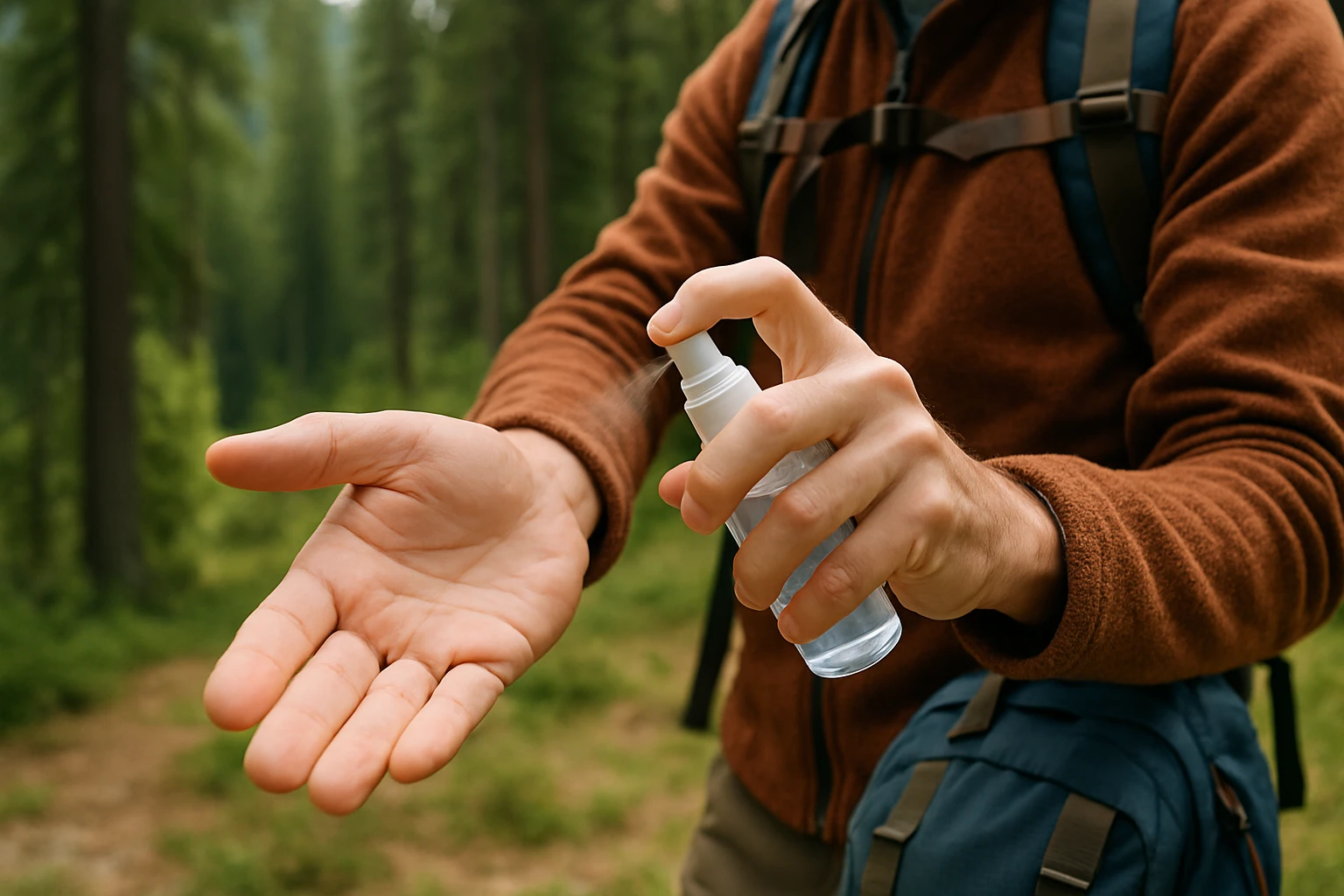
A close-up of a hiker's hand using a portable hand sanitizer spray bottle, with a scenic forest backdrop and a backpack in the background.
Choosing the Right Hand Sanitizer for Outdoor Activities
When considering what's a convenient way to sanitize my hands during outdoor activities, it's essential to choose a sanitizer that suits your specific needs. Hand sanitizers are available in various forms, including gels, sprays, and wipes. Each type has its advantages, and selecting the right one depends on factors like convenience, effectiveness, and personal preference.
Effectiveness of Different Sanitizers
Sanitizer sprays, such as those offered by PentaCleanse, are a popular choice for outdoor enthusiasts. These sprays are straightforward to apply and particularly effective in sanitizing hard-to-reach areas. Conversely, gel sanitizers provide a more controlled application and are known for staying on the skin longer, potentially increasing their antimicrobial activity. According to a study by the Journal of Medical Virology, hand sanitizers with at least 60% alcohol content are most effective at killing germs.
Portability and Convenience
For those frequently on the move, portability is a critical consideration. Sanitizer wipes are compact and disposable, making them convenient for quick cleans without the need for additional materials. However, sprays and gels can also be compactly packaged to fit easily in a backpack or pocket, ensuring easy access when needed. Many outdoor adventurers opt for small, travel-sized containers to maintain hygiene without adding unnecessary weight.
Safety and Skin Health
Another vital consideration is the impact on skin health. Frequent use of hand sanitizers, especially those containing high alcohol content, can lead to dry skin. To counteract this, some products include moisturizers or aloe to minimize irritation. For sensitive skin, opting for a formulation that prioritizes skin health can prevent discomfort during long outdoor excursions.
Overall, the choice of sanitizer can significantly enhance the convenience of maintaining hand hygiene during outdoor activities. Whether you prefer a sleek spray bottle from PentaCleanse or a traditional gel, ensuring the product is effective and compatible with your lifestyle is paramount. By selecting a product designed with active individuals in mind, you can enjoy your outdoor adventures with peace of mind.
Portable Solutions for Hand Sanitization
When exploring what's a convenient way to sanitize my hands during outdoor activities, portability is essential. Imagine hiking a remote trail or attending an open-air concert; both scenarios require a solution that is easy to carry and use. Compact hand sanitizers, such as travel-size bottles or pocket-friendly wipes, cater to these needs effectively. For instance, GermBloc offers a travel spray that clips onto bags, ideal for those constantly on the move.
Adaptability in Different Environments
Adaptability is key when selecting a hand sanitization method for outdoor activities. Different settings pose various challenges, from dusty hiking paths to crowded festivals. A product like EO Organic Hand Sanitizer Spray, which evaporates quickly, is suitable for dusty environments as it leaves no residue. For bustling events, hand sanitizing wipes from Wet Ones can be more practical, offering quick application without the need for additional water or towels.
Environmental Considerations
As outdoor enthusiasts become more environmentally conscious, the choice of hand sanitization products is increasingly influenced by eco-friendly attributes. Brands like CleanWell offer biodegradable wipes and refills with plant-based alcohol, ensuring minimal environmental impact. Investing in such products not only tends to the individual's needs but also supports broader environmental goals. According to environmental researchers, reducing single-use plastics significantly lowers pollution levels, making sustainable choices vital for preserving natural spaces.
Case Study: Outdoor Sports Enthusiasts
Consider the case of avid mountain bikers. Their hands frequently come in contact with various surfaces and equipment, necessitating frequent sanitization. By using Clorox Disinfecting Wipes, they can quickly remove dirt and sanitize their hands before handling water bottles or snacks. This approach, as advocated by experts in a study on outdoor cleanliness, integrates hygiene seamlessly into the cycling routine, illustrating a practical application of sanitizing solutions.
In summary, selecting the right hand sanitization product for outdoor activities involves considering convenience, adaptability, and environmental impact. With a plethora of options like travel sprays and biodegradable wipes, outdoor enthusiasts can maintain their health and enjoy nature without compromising on convenience or sustainability.
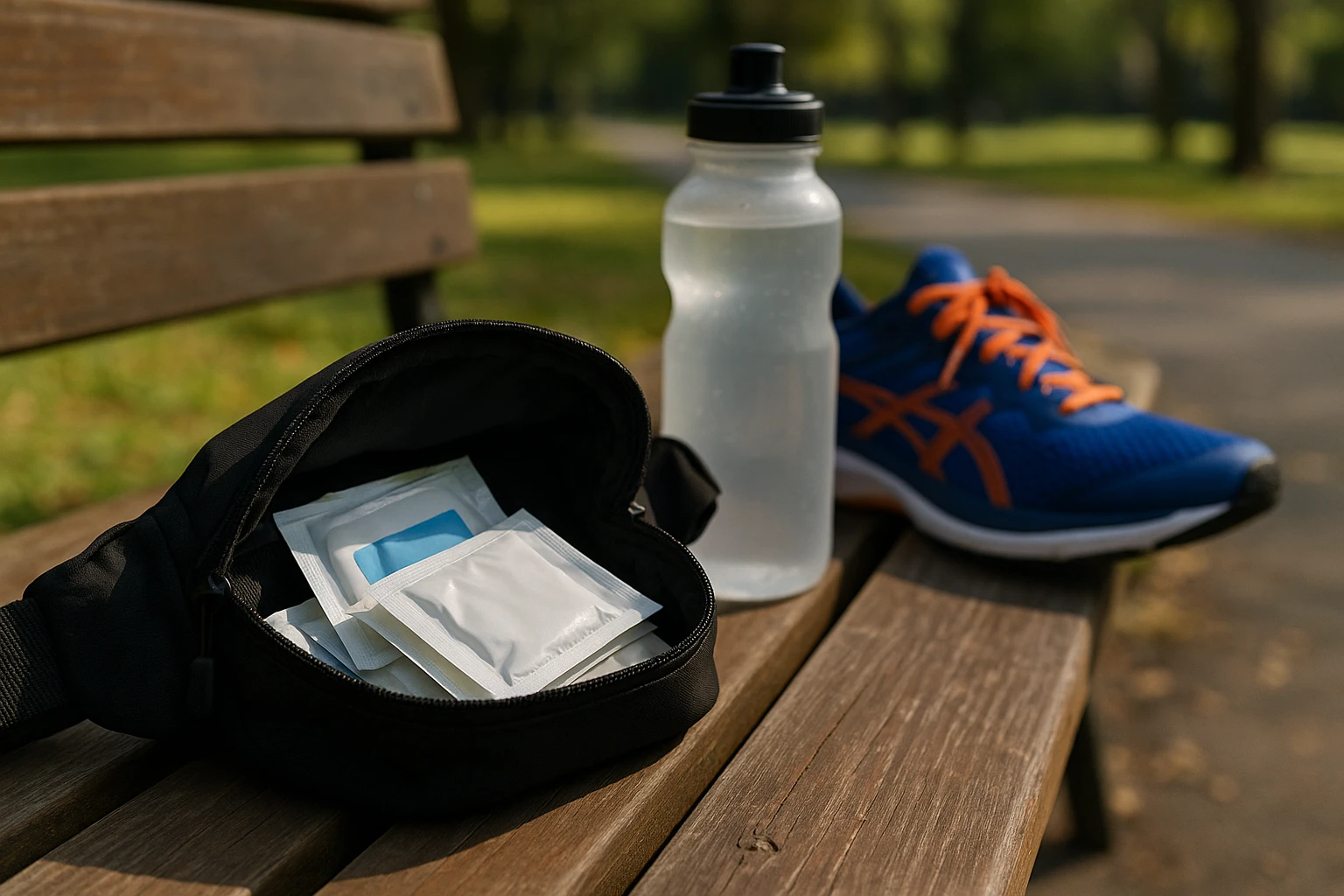
A runner's waist pack open on a park bench, revealing a pack of individually wrapped hand sanitizer wipes, with a water bottle and running shoes nearby.
Conclusion
Maintaining hand hygiene during outdoor activities is vital for health and safety. Using hand sanitizer wipes or portable gels offers a practical solution for quickly sanitizing your hands, particularly when you're on the move. These products are especially convenient because they fit easily into backpacks or waist packs, allowing you to focus on enjoying your outdoor adventures without unnecessary interruptions.
Moreover, integrating these sanitizing practices into your routine not only promotes your well-being but also sets a responsible example for others. Whether you're hiking, running, or participating in sports, keeping hygiene products accessible ensures you’re prepared for any situation. According to the CDC, practicing hand hygiene significantly reduces the spread of germs and illness, making it an essential habit.
As you consider what’s a convenient way to sanitize your hands during outdoor activities, the range of available products means you can easily find options that suit your lifestyle. Opt for products with at least 60% alcohol content for maximum effectiveness, as recommended by health experts. Embracing these tools not only safeguards your health but also enhances your peace of mind, knowing you are taking proactive measures to protect yourself and others.
To support your efforts in maintaining these habits, consider using PentaCleanse, which provides a variety of high-quality sanitization products perfect for outdoor enthusiasts. Their offerings ensure you have reliable and convenient options at your disposal for any outdoor situation you may encounter.
Ultimately, adopting regular hand sanitizing practices when engaging in outdoor activities empowers you to stay healthy while enjoying nature to its fullest. So, equip yourself with handy sanitizers and relish your adventures knowing you’ve got cleanliness covered.